The Wenner-Gren Foundation is a private operating foundation dedicated to providing leadership in support of anthropology and anthropologists worldwide.
The Wenner-Gren Foundation is a private operating foundation dedicated to providing leadership in support of anthropology and anthropologists worldwide.
About Us
It’s somewhat of an accident that the Wenner-Gren Foundation for Anthropological Research exists. In 1941, Axel Wenner-Gren, founder of the Electro-Lux Corporation (and one of the richest men in the world), created the Viking Fund to resolve tax issues raised by the sale of a boat in Florida. The fund’s original mission was to promote advancements in science, charity, literature, education, and religion. Paul Fejos, a Hungarian avant-garde filmmaker, convinced Wenner-Gren to use the fund to support anthropological work. Renamed in 1951, the Wenner-Gren Foundation quickly became a key actor in this discipline.
In the early years, the Foundation pursued its aims through focused research and funding programs and by hosting a series of influential conferences and meetings. In 1959, the Foundation founded Current Anthropology, which became one of anthropology’s flagship journals.
As anthropology grew and changed, so did the Foundation. It developed a strong identity emphasizing the internationalism and broad-based nature of anthropology, featuring programs for archaeologists and sociocultural, biological, and linguistic anthropologists around the globe.
Today more than ever, the Foundation is committed to enabling the field of anthropology to flourish in its full diversity. We advance anthropological knowledge, amplify its impact, foster inclusivity, and address the precariousness of anthropology as a career and a field of study.
In concert with our board of trustees, the Foundation relies on an advisory council comprised of six international anthropologists who provide guidance on the Foundation’s programs and policies. We also depend on more than 60 reviewers to offer constructive feedback to all grant applicants and ensure that the research we fund is of the highest quality.
Our mission
Our Mission
The Wenner-Gren Foundation is committed to playing a leadership role in anthropology. We help anthropologists advance anthropological knowledge, build sustainable careers, and amplify the impact of anthropology within the wider world. We dedicate ourselves to broadening the conversation in anthropology to reflect the full diversity of the field.
All our programs contribute to the Foundation’s mission in more than one way, but broadly address these four major goals:
(1) Advance knowledge across anthropology’s many subfields and specializations.
Dissertation Fieldwork Grants (for doctoral students) and Post-PhD Research Grants (for established scholars) support individual research projects.
Engaged Research Grants support the work of scholars who advance conversations in anthropology through studies designed and carried out in collaboration with Indigenous and underserved communities.
Current Anthropology publishes articles and commentary covering all aspects of anthropological research worldwide.
In partnership with the Association of Black Anthropologists, the Foundation provides financial support to the flagship peer-reviewed journal, Transforming Anthropology.
(2) Amplify the discipline’s impact by giving anthropologists the skills and platforms they need to reach broader audiences and affirm the value of anthropology in a rapidly changing world.
Fejos Postdoctoral Fellowships support projects that amplify the impact of anthropology through filmmaking, audio production, and other creative multimodal work.
Global Initiatives Grants help launch innovative projects that benefit the discipline as a whole by creating the conditions for anthropologists to do better work. From 2026–2030, Global Initiatives Grants will fund projects in public anthropology that are designed to reach broad, general audiences.
SAPIENS Magazine operated between 2015 and 2025 to share anthropological insights with nonacademic audiences, while providing scholars based in academic settings a chance to hone their skills in communicating with broader publics. It remains open as a living archive with more than 1,500 articles and 80 podcast episodes.
The Foundation pursues initiatives and partnerships, with organizations such as the American Anthropological Association and School for Advanced Research, to provide support for scholars to improve their skills in writing and public communication.
The Foundation asks applicants for our Dissertation Fieldwork Grants, Post-PhD Research Grants, and Hunt Postdoctoral Fellowships to identify the audiences and stakeholders they hope to reach with their projects. We make awards that do more than simply advance an individual’s career.
(3) Nurture and safeguard anthropology as a career and a discipline by helping anthropologists demonstrate its value and develop new ways to put their skills and insights to work.
Hunt Postdoctoral Fellowships provide support for writing projects by emerging scholars whose work has the potential to transform our understanding of what it means to be human.
Fellowships in the Anthropology of Black Experiences support writing projects that expand anthropological conversations and build capacity in anthropology, both as a career and a field of study, by amplifying perspectives previously underrepresented in the discipline.
The Historical Archives program encourages the preservation of unpublished personal research materials to safeguard the careers of past anthropologists and the history of anthropology.
On its website, the Foundation convenes an occasional Forum—a collection of new, short essays that explore the future of anthropology as a career and discipline.
(4) Foster inclusive conversations by supporting anthropologists with different backgrounds, perspectives, methods, and commitments.
Wenner-Gren Symposia provide an international forum for scholars to meet and discuss cutting-edge developments in the discipline.
Wenner-Gren Seminars bring together accomplished junior and senior anthropologists who are working to change the debate on an emerging research question or theme.
Conference and Workshop Grants support international networking at professional meetings of all sizes.
Wadsworth International Fellowships and Wadsworth African Fellowships enable scholars in places where anthropology is less established to gain doctorates in world-class departments.
The Foundation has also helped establish major anthropological associations, such as the European Association of Social Anthropology, the Pan-African Anthropological Association, and the World Council of Anthropological Associations.
Our People
Our People
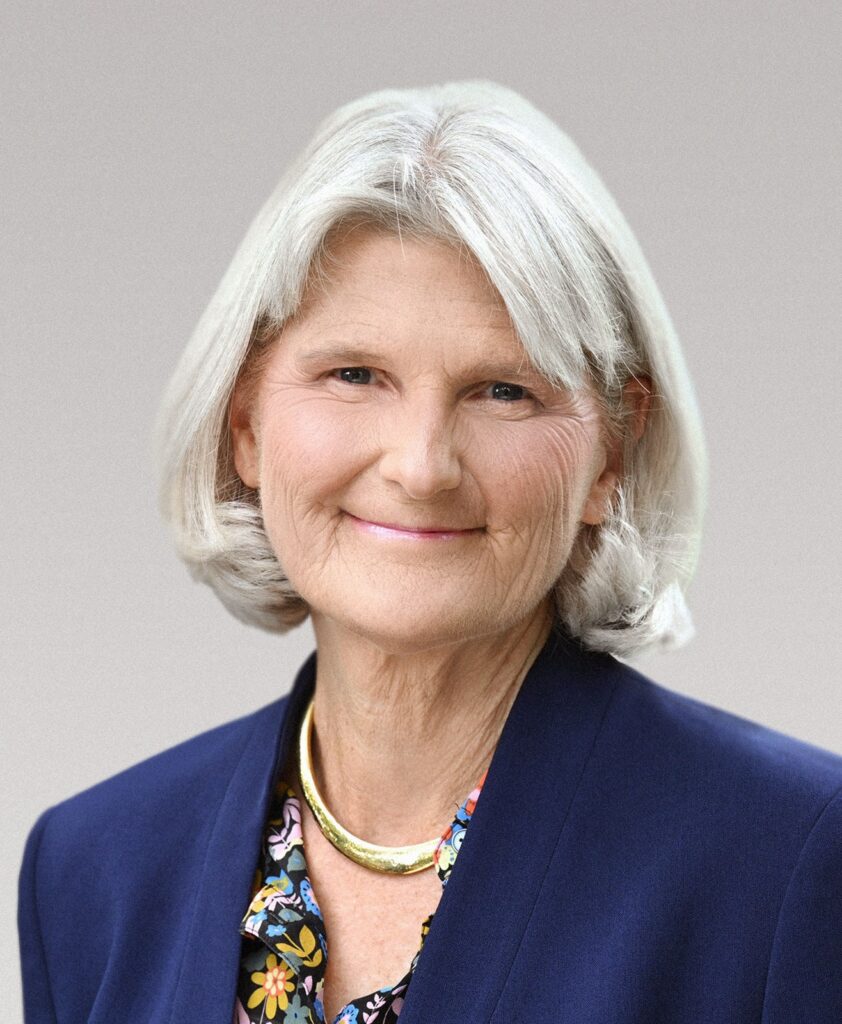
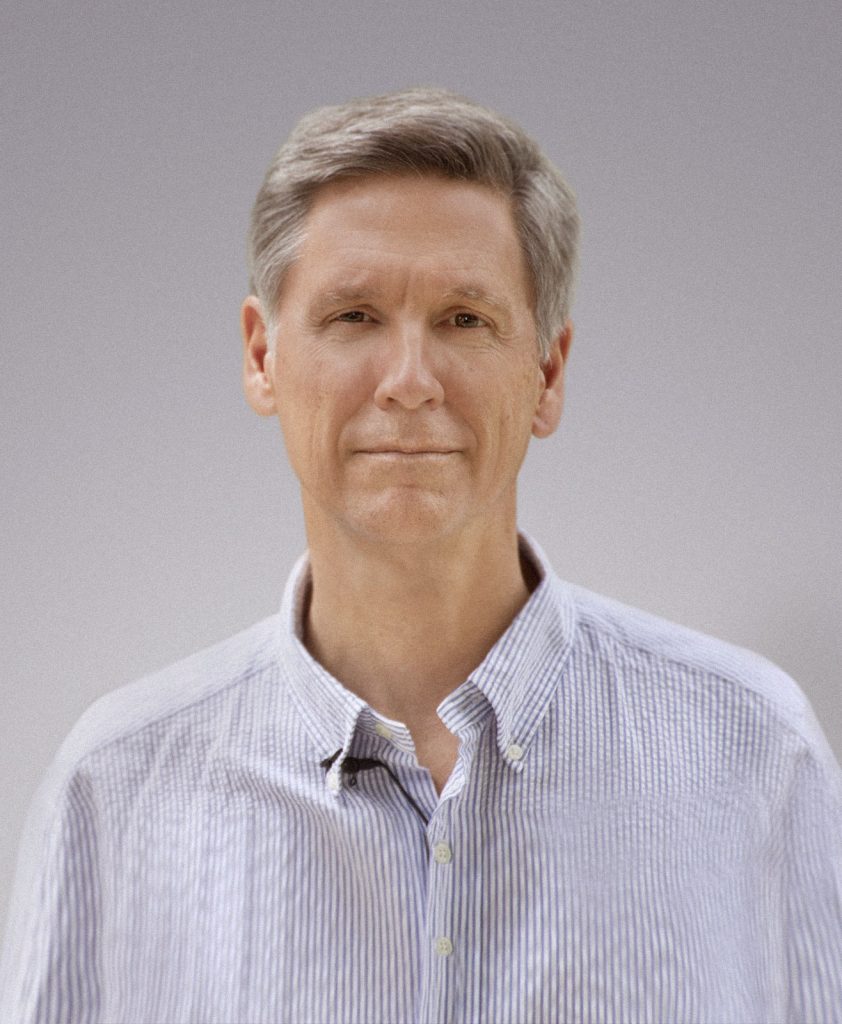
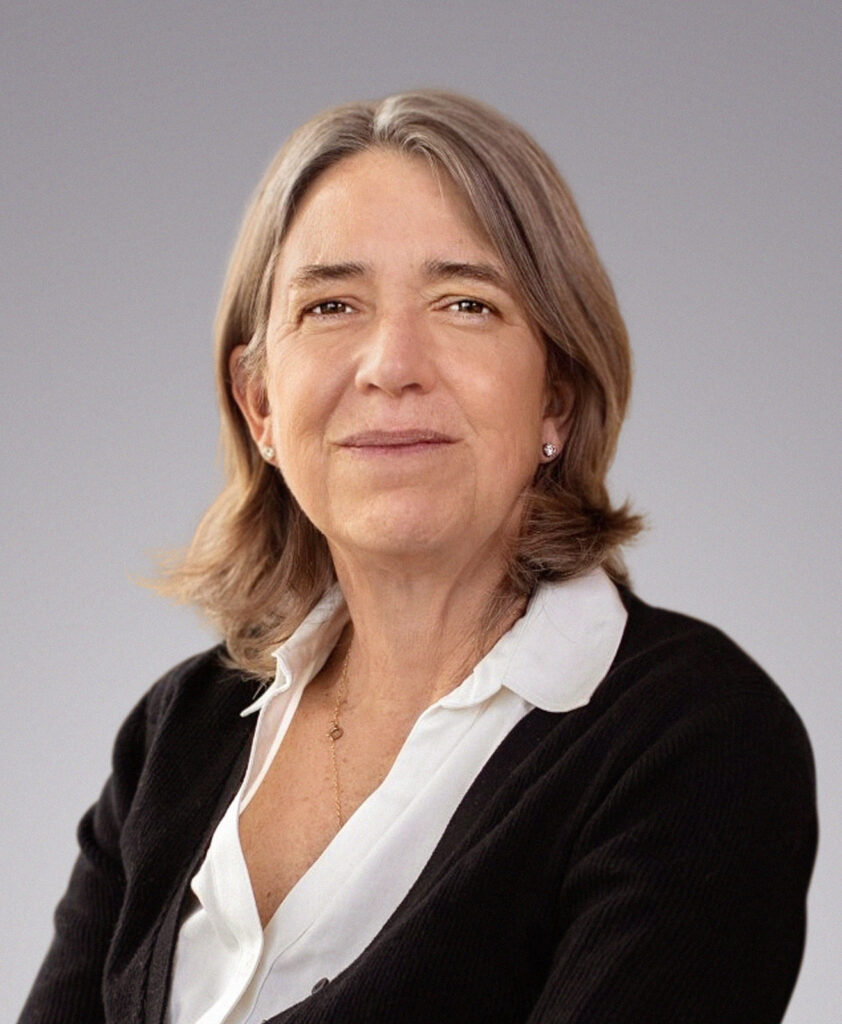
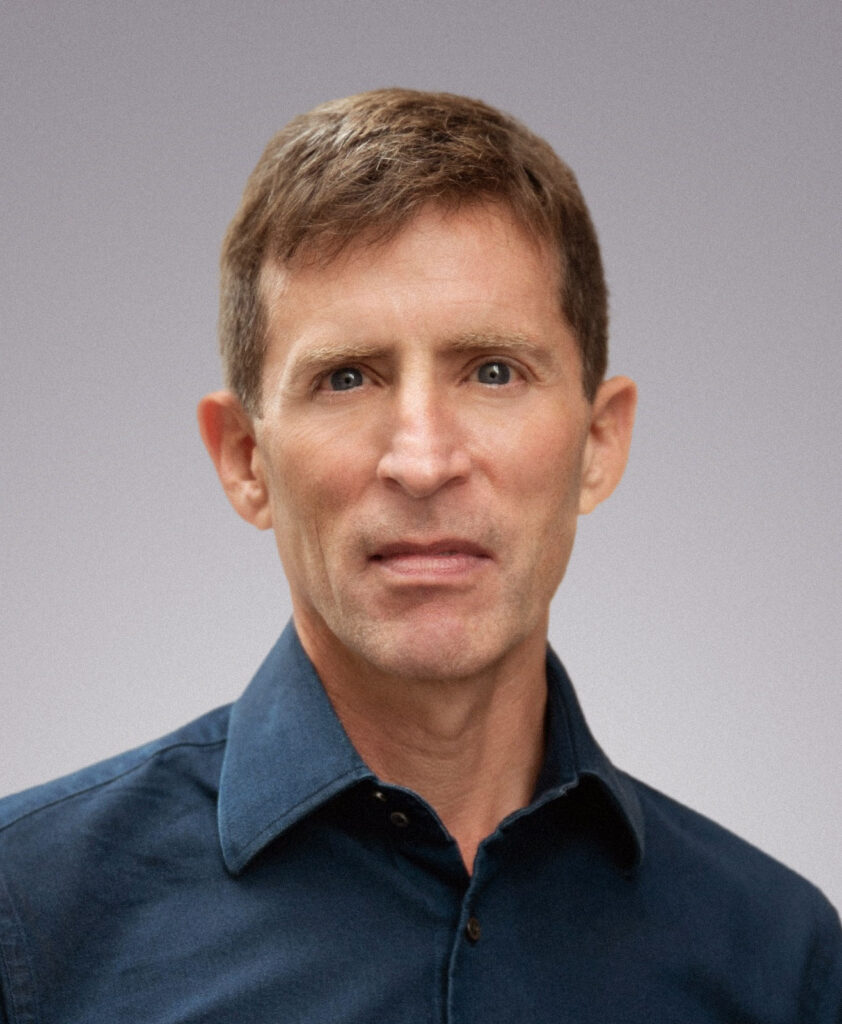
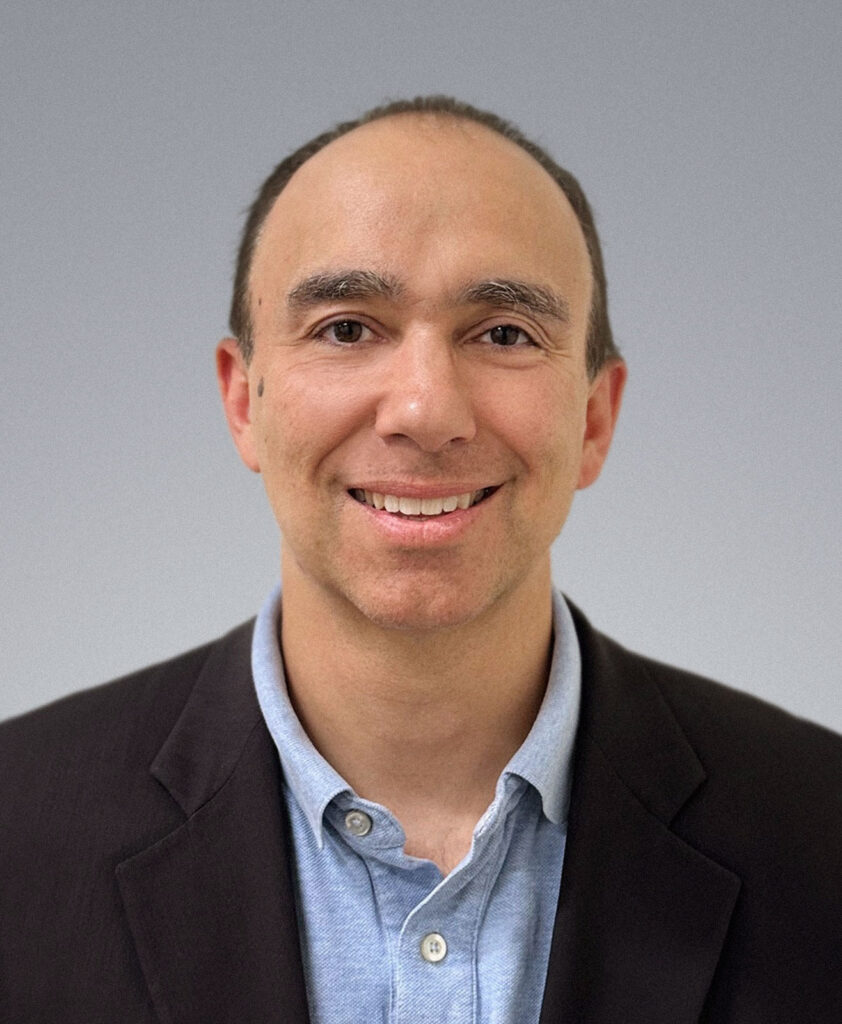
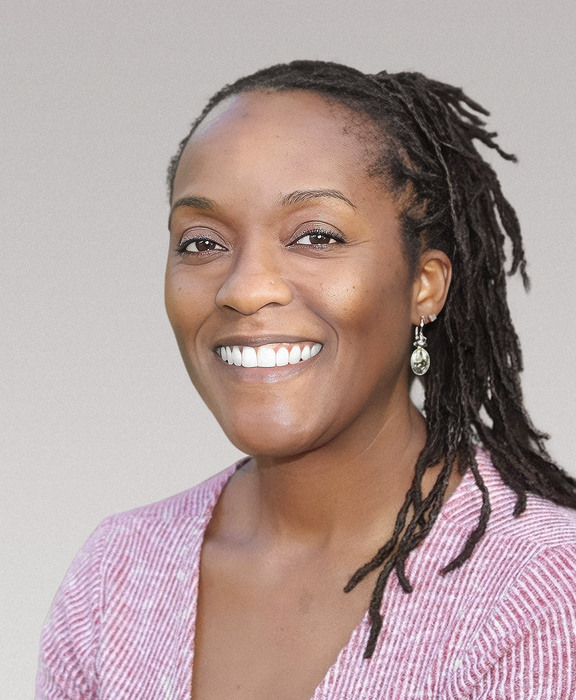
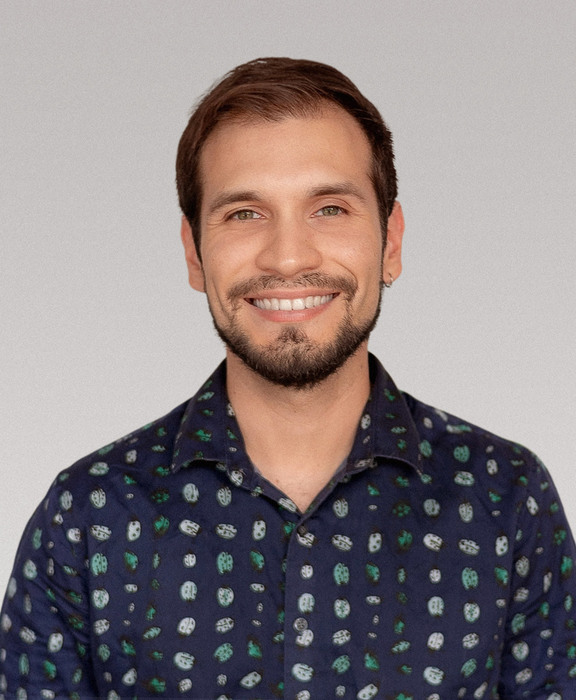
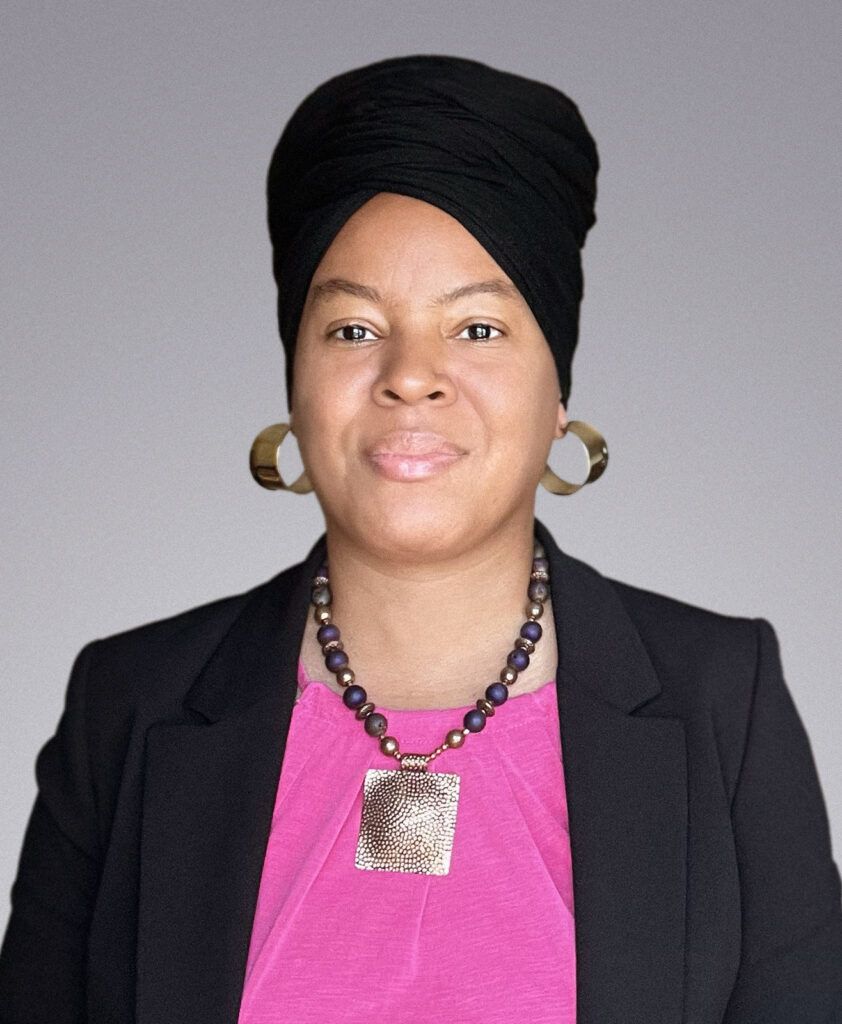
Our board members, advisors, and teams work together on behalf of the field of anthropology. We come from all over the world.
Board of Trustees








National Geographic Society
Harvard University
Brown University
Grinnell College
Advisory Council






Current Anthropology
Current Anthropology
Our Team


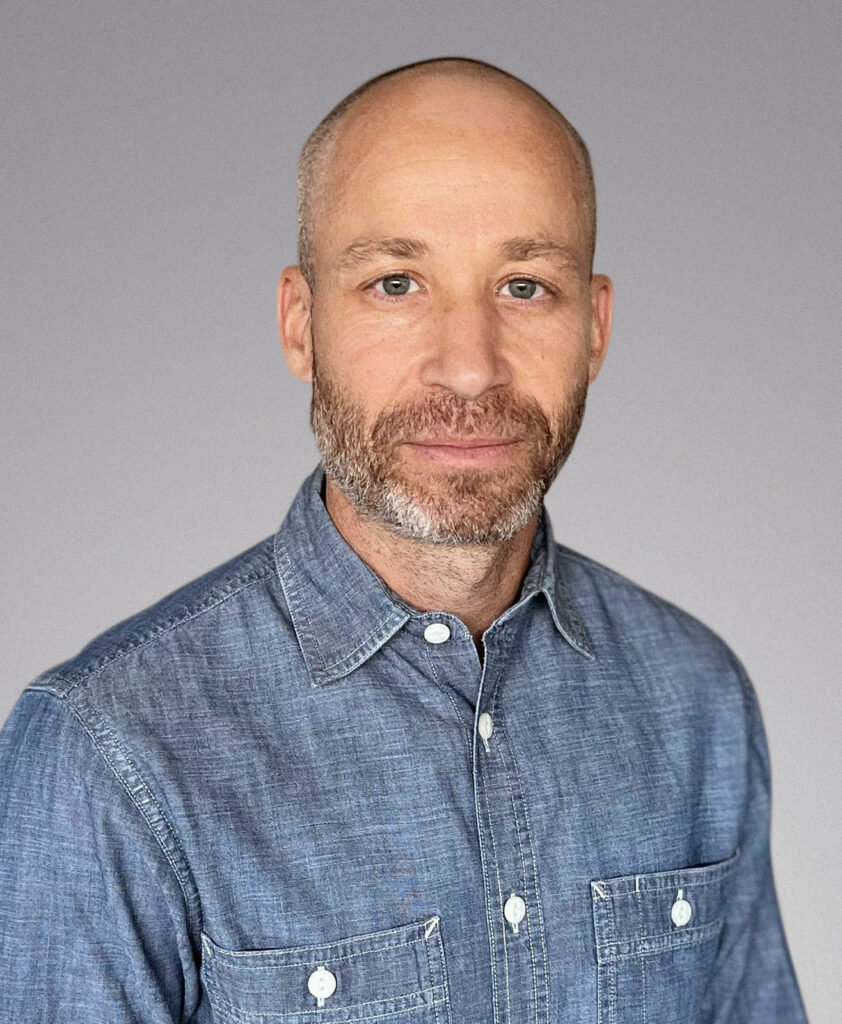






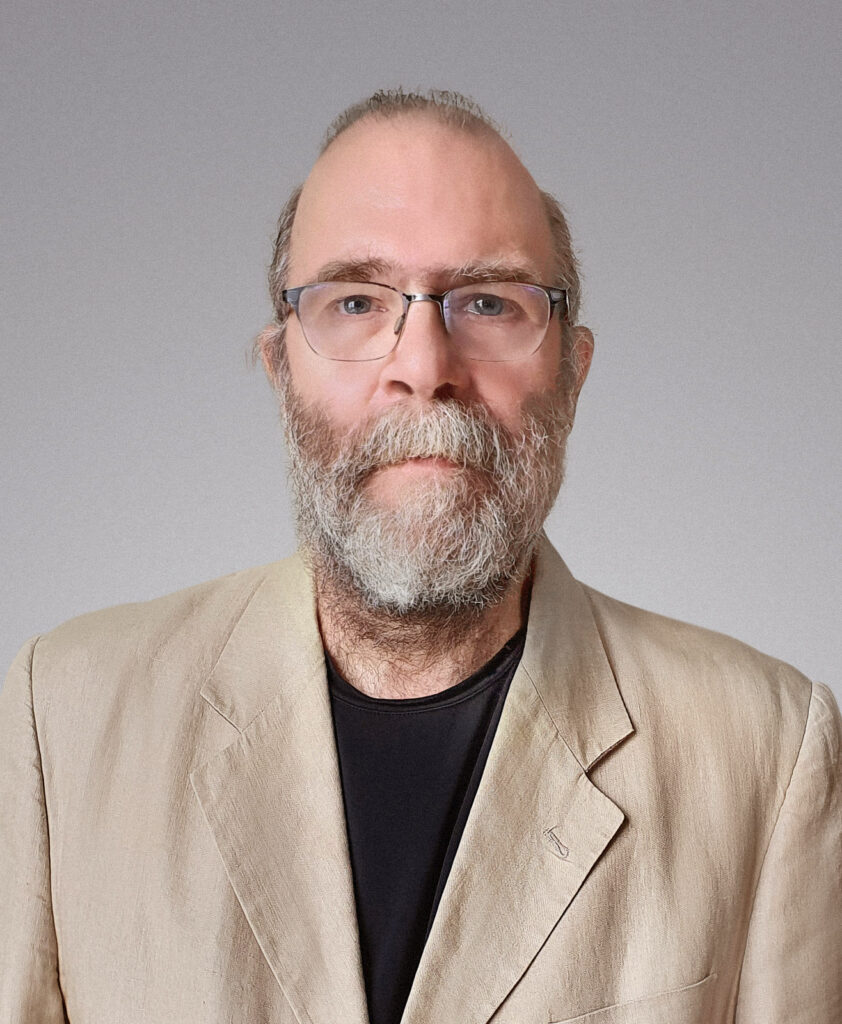

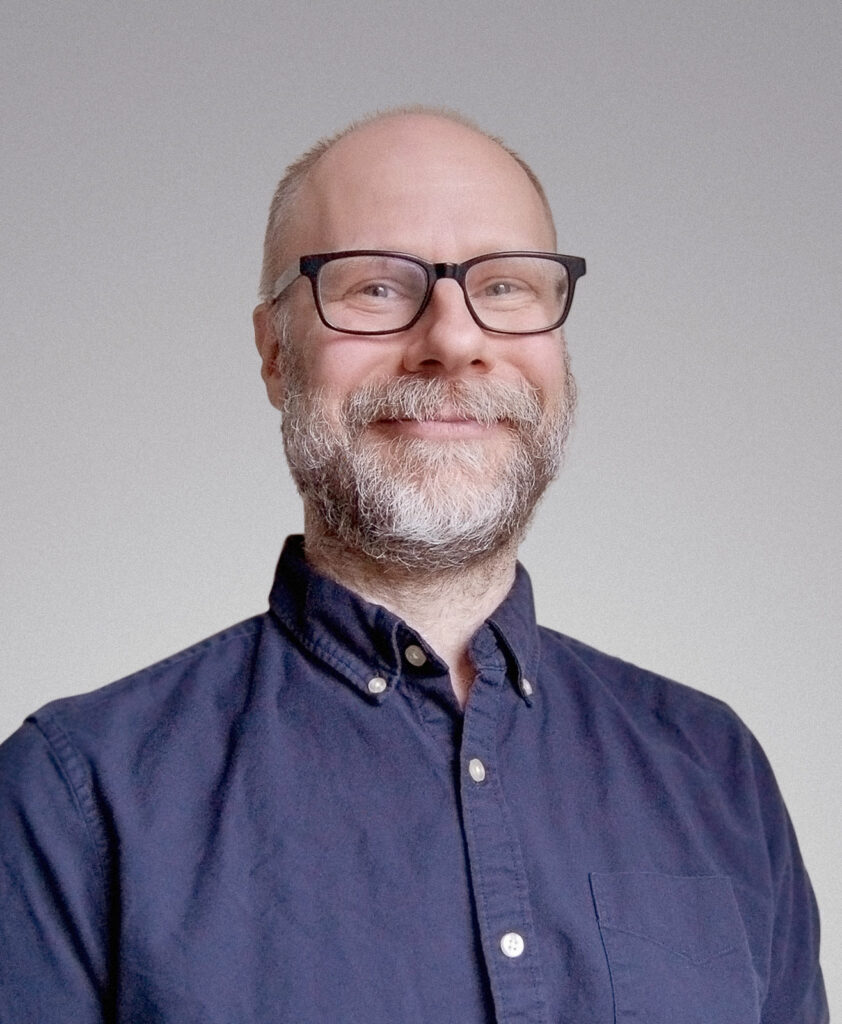


Current Anthropology


About Our President
Danilyn Rutherford received her bachelor’s degree in biology and history from Stanford University in 1983 and her doctorate in anthropology, with a minor in Southeast Asian studies, from Cornell University in 1997. She briefly taught at Goldsmiths College in London before joining the University of Chicago, where she served on the anthropology faculty from 1998 to 2009. While at the University of Chicago, she also served as director of graduate studies and on the committees of scores of graduate students, who worked with her on topics ranging from violence in East Timor to Slovenian contemporary art. In 2009, she joined the department of anthropology at the University of California, Santa Cruz, where she was chair from 2011 to 2016 and a member of the campus-wide Committee on Planning and Budget from 2015 to 2016.
Rutherford is a past president of the Society for Cultural Anthropology and has served on the executive committee of the Pacific Rim Fellowship Committee, on the board of the Papuan Resource Center, as principle investigator within a Carnegie Foundation/East-West Center project on internal conflicts in Asia, and as a reviewer for the Wenner-Gren Foundation, the Social Science Research Council, the Canadian Social Science and Humanities Research Council, American Anthropologist, American Ethnologist, Cultural Anthropology, Journal of Feminist Studies, Indonesia, Ethnos, HAU, Cornell University Press, and Duke University Press. She is also a member of the Institute for Advanced Studies. Before joining academia, she worked as an English teacher in Central Java with Volunteers in Asia and as associate director of a non-profit, the International Development Exchange (now Thousand Currents).
Rutherford is the author of three books on West Papua, where she has conducted the bulk of her research: Raiding the Land of the Foreigners: The Limits of the Nation on an Indonesian Frontier; Laughing at Leviathan: Sovereignty and Audience in West Papua; and Living in the Stone Age: Reflections on the Origins of a Colonial Fantasy. The Wenner-Gren Foundation was the first to support her work in West Papua; she also received a Javits Fellowship, a Fulbright Hayes Fellowship, and awards from the Social Science Research Council and the MacArthur Foundation Program on Global Security and Sustainability. Her interests are broad and eclectic. She has published essays and articles on kinship, Christian conversion, disability, nationalism, sovereignty, missionary language ideology, Franz Kafka’s “In the Penal Colony,” affect, money, technology, climate change, and the empirical nature of anthropological work. In 2016, she received a National Science Foundation Scholar’s Award to begin a new project on belief and communication in the social worlds of adolescents with severe and profound intellectual disabilities. Rutherford stepped in as president of Wenner-Gren in July 2017 and is thrilled to have an opportunity to contribute to anthropology in this role. Her ethnographic memoir, Beautiful Mystery: Living in a Wordless World, was published by Duke University Press in 2025.
Annual Reports
Annual Reports
We value transparency. The most recent Wenner-Gren financial statements, lists of grant recipients, reports on completed research, and grant reviewers are listed below.
-
2024
-
2024
-
2024
-
2024
-
2023
-
2023
-
2023
-
2023
-
2022
-
2022
-
2022
-
2022
-
2021
-
2021
-
2021
-
2021
-
2020
-
2020
-
2020
-
2020
-
2019
-
2019
-
2019
-
2019